
A new peer-reviewed book chapter has been published in Cinematic Ecosystems: Screen Encounters with More-than-Humans in the Era of Environmental Crisis, edited by Mary Hegedus and essica Mulvogue.
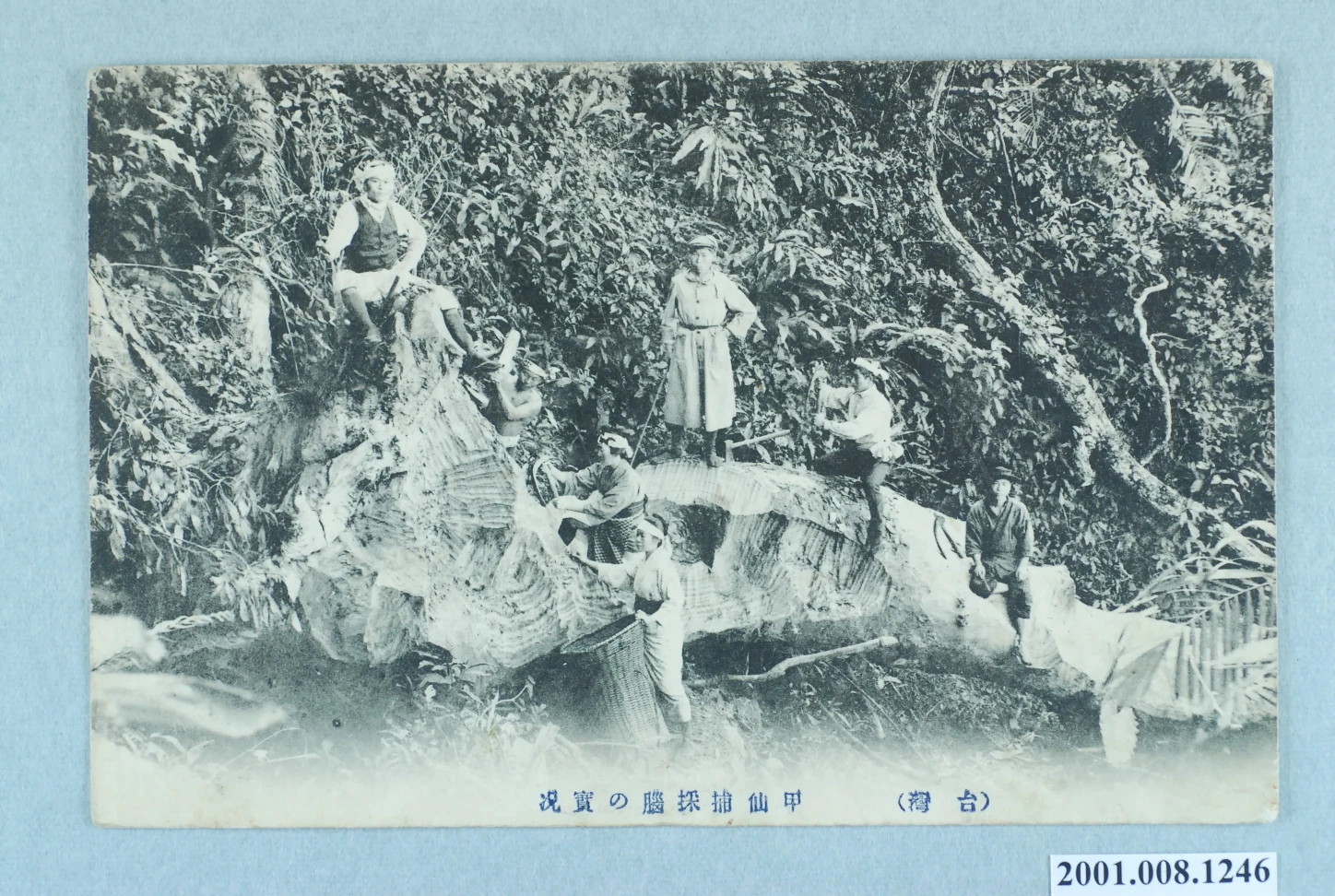
Utilizing a range of Japanese and English-language historical sources as well as recent scholarship on the trade and cultivation of camphor and turpentine, this article explores some of the vegetal materialities on which celluloid film – and thus also early cinema – depended. Camphor is a plasticizer for cellulose nitrate; turpentine is the raw material for making synthetic camphor. I argue that understanding camphor and pine trees as both industrial commodities and as living, growing things can help direct our care and attention to all the life involved in making cinema, and to the importance of growth in it. It may also help us delineate the contours of a more equitable geography of film.
Citation
Jancovic, M. (2026). ‘Please reseed.’ Camphor, Turpentine, and the Agrogeographies of Celluloid Cinema. In M. Hegedus, & J. Mulvogue (Eds.), Cinematic Ecosystems: Screen Encounters with More-than-Humans in the Era of Environmental Crisis (pp. 3-26). Vernon Press.