Latest posts

New paper: ‘Media Archaeology Meets Digital Humanities: Global Trajectories, Methodological Frictions, and Contact Zones after the Computational Turn’

A new peer-reviewed editorial has been published in the journal TMG Journal for Media History. This editorial to the special issue ‘Media Archaeology 2.0: Rethinking Media Histories with the Digital Humanities’ starts with the observation that digital humanities has become more archaeological, while media archaeology has become more digital. It offers a comprehensive account of […]
New paper: ‘Media Archaeology Meets Digital Humanities: Global Trajectories, Methodological Frictions, and Contact Zones after the Computational Turn’ Read Post »

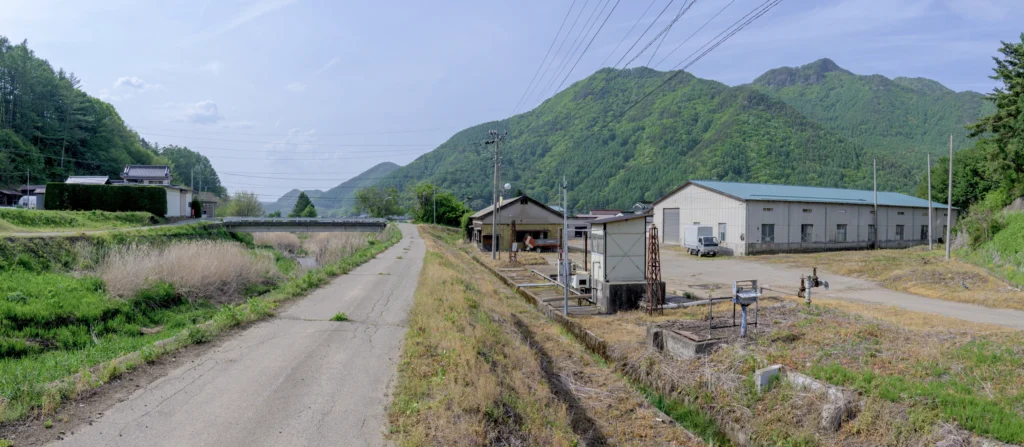
Panorama photograph of the village of Kawakami, showing a rural scenery with mountains in the background, and an agricultural building on the right side.

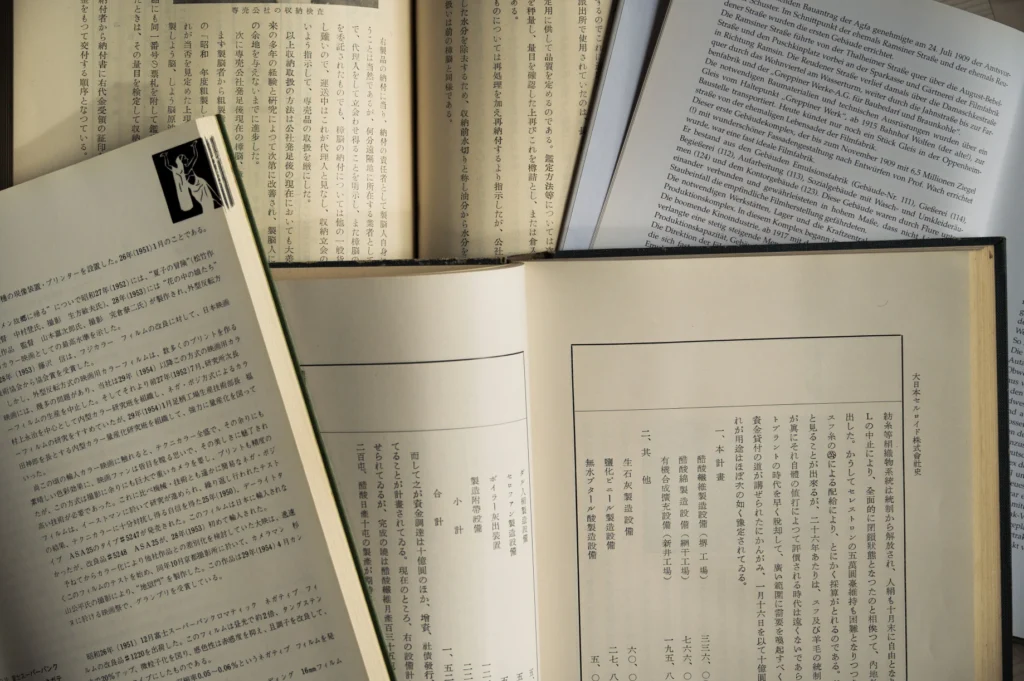
New paper: ‘Cinema’s Atmospheric A Priori: How Weather and Environment Shaped Celluloid Film Manufacturing and Raw Material Supply at Fujifilm, Daicel and Agfa’

A new peer-reviewed paper has been published in the journal Iluminace, in a themed issue on filmic matter and geographic specificity, edited by Byron Davies and Jiří Anger. Where was the cotton for Fujifilm’s cine-film grown? Who supplied the animal parts that would end up coated on Agfa’s film as gelatin? How did climate, environment, geology,

New paper: ‘Cinema’s Atmospheric A Priori: How Weather and Environment Shaped Celluloid Film Manufacturing and Raw Material Supply at Fujifilm, Daicel and Agfa’ Read Post »

Event announcement: Media/environment – Screens and Streams in the Age of Climate Crisis

As part of the project, an international synposium is being organized on 26 and 27 August, 2026, at the Vrije Universiteit Amsterdam. What are the planetary burdens of media technology? What cultural and aesthetic frameworks shape how nature is depicted on screen? The international symposium media/environment: Screens and Streams in the Age of Climate Crisis confronts the

Event announcement: Media/environment – Screens and Streams in the Age of Climate Crisis Read Post »

New general publication: ‘RAG for Historians: A Radically New Way of Interacting with Multilingual Collections?’

A new article has been published on LinkedIn. Retrieval-augmented generation (RAG) is a radically new way of interacting with historical documents. It essentially allows researchers to talk to entire collections, ask questions and get answers grounded in your own data – across languages – without perfect keywords, irrespective of the language of the original records.

New general publication: ‘RAG for Historians: A Radically New Way of Interacting with Multilingual Collections?’ Read Post »

New book chapter: ‘”Please reseed”: Camphor, Turpentine, and the Agrogeographies of Celluloid Cinema’

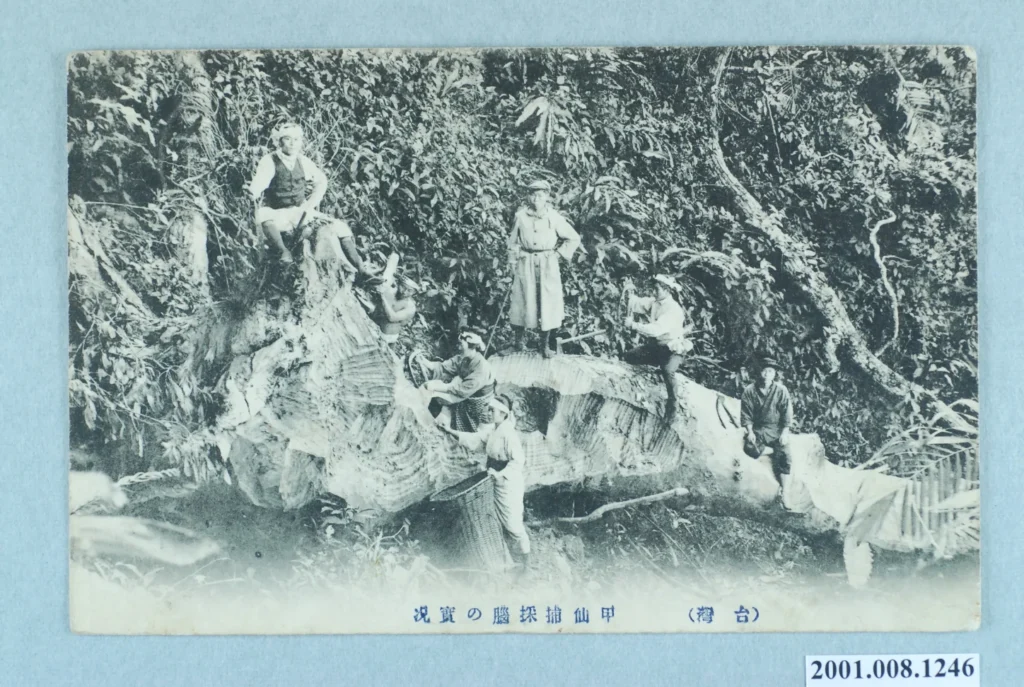
A new peer-reviewed book chapter has been published in Cinematic Ecosystems: Screen Encounters with More-than-Humans in the Era of Environmental Crisis, edited by Mary Hegedus and essica Mulvogue. Utilizing a range of Japanese and English-language historical sources as well as recent scholarship on the trade and cultivation of camphor and turpentine, this article explores some

New book chapter: ‘”Please reseed”: Camphor, Turpentine, and the Agrogeographies of Celluloid Cinema’ Read Post »

New general publication: ‘Vibe-Coding for Historians: How I Digitized 21.000 Archival Documents Without Coding Skills’

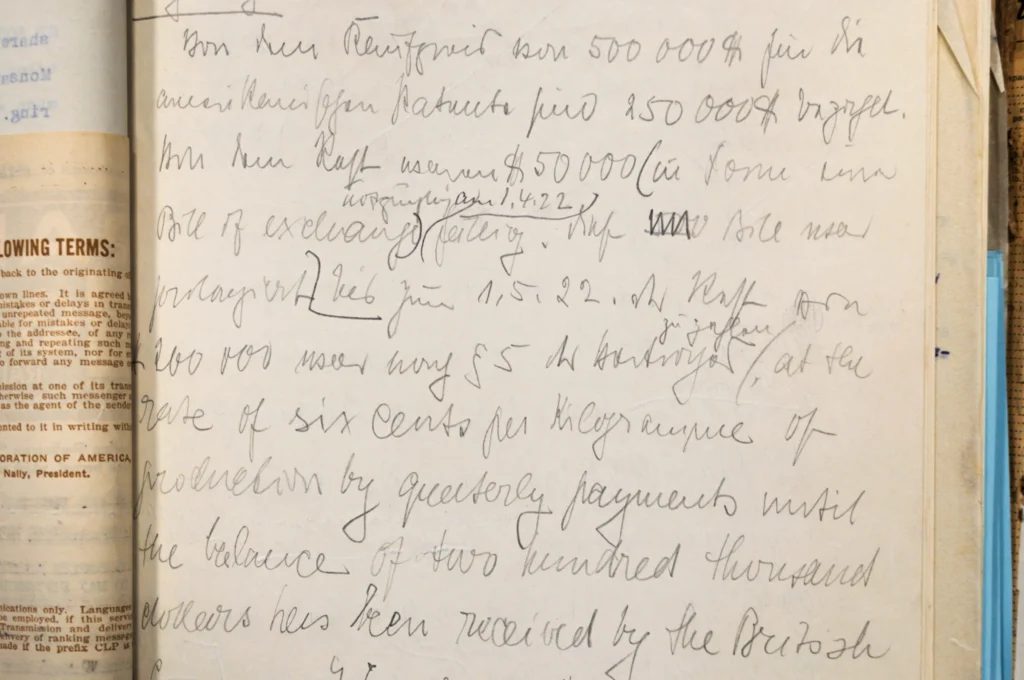
A new article has been published on LinkedIn. Over the past four months, I have been developing a custom document digitization app to process the 21.000 photos of historical letters, contracts and technical reports that I’ve collected while working on CINEAGRI. The app had to be able to: The catch? I don’t know how to

New general publication: ‘Vibe-Coding for Historians: How I Digitized 21.000 Archival Documents Without Coding Skills’ Read Post »

Scroll to Top