Publications

New paper: ‘Media Archaeology Meets Digital Humanities: Global Trajectories, Methodological Frictions, and Contact Zones after the Computational Turn’

A new peer-reviewed editorial has been published in the journal TMG Journal for Media History. This editorial to the special issue ‘Media Archaeology 2.0: Rethinking Media Histories with the Digital Humanities’ starts with the observation that digital humanities has become more archaeological, while media archaeology has become more digital. It offers a comprehensive account of […]
New paper: ‘Media Archaeology Meets Digital Humanities: Global Trajectories, Methodological Frictions, and Contact Zones after the Computational Turn’ Read Post »

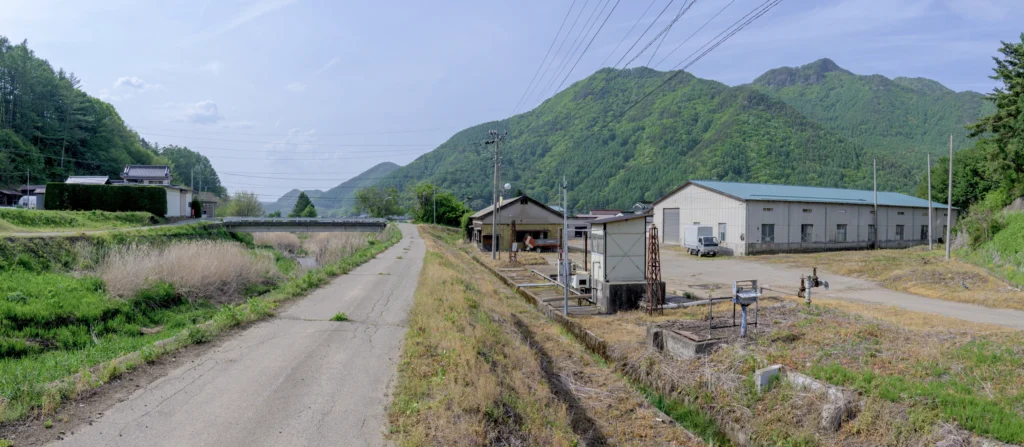
Panorama photograph of the village of Kawakami, showing a rural scenery with mountains in the background, and an agricultural building on the right side.

New paper: ‘Cinema’s Atmospheric A Priori: How Weather and Environment Shaped Celluloid Film Manufacturing and Raw Material Supply at Fujifilm, Daicel and Agfa’

A new peer-reviewed paper has been published in the journal Iluminace, in a themed issue on filmic matter and geographic specificity, edited by Byron Davies and Jiří Anger. Where was the cotton for Fujifilm’s cine-film grown? Who supplied the animal parts that would end up coated on Agfa’s film as gelatin? How did climate, environment, geology,

New paper: ‘Cinema’s Atmospheric A Priori: How Weather and Environment Shaped Celluloid Film Manufacturing and Raw Material Supply at Fujifilm, Daicel and Agfa’ Read Post »

New general publication: ‘RAG for Historians: A Radically New Way of Interacting with Multilingual Collections?’

A new article has been published on LinkedIn. Retrieval-augmented generation (RAG) is a radically new way of interacting with historical documents. It essentially allows researchers to talk to entire collections, ask questions and get answers grounded in your own data – across languages – without perfect keywords, irrespective of the language of the original records.

New general publication: ‘RAG for Historians: A Radically New Way of Interacting with Multilingual Collections?’ Read Post »

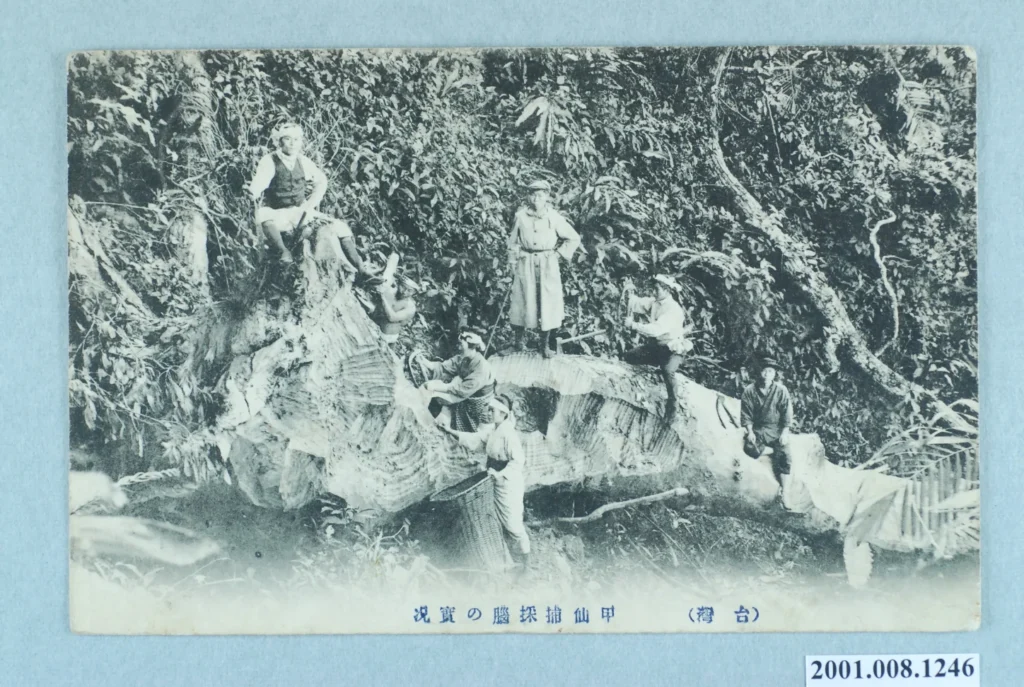
New book chapter: ‘”Please reseed”: Camphor, Turpentine, and the Agrogeographies of Celluloid Cinema’

A new peer-reviewed book chapter has been published in Cinematic Ecosystems: Screen Encounters with More-than-Humans in the Era of Environmental Crisis, edited by Mary Hegedus and essica Mulvogue. Utilizing a range of Japanese and English-language historical sources as well as recent scholarship on the trade and cultivation of camphor and turpentine, this article explores some

New book chapter: ‘”Please reseed”: Camphor, Turpentine, and the Agrogeographies of Celluloid Cinema’ Read Post »

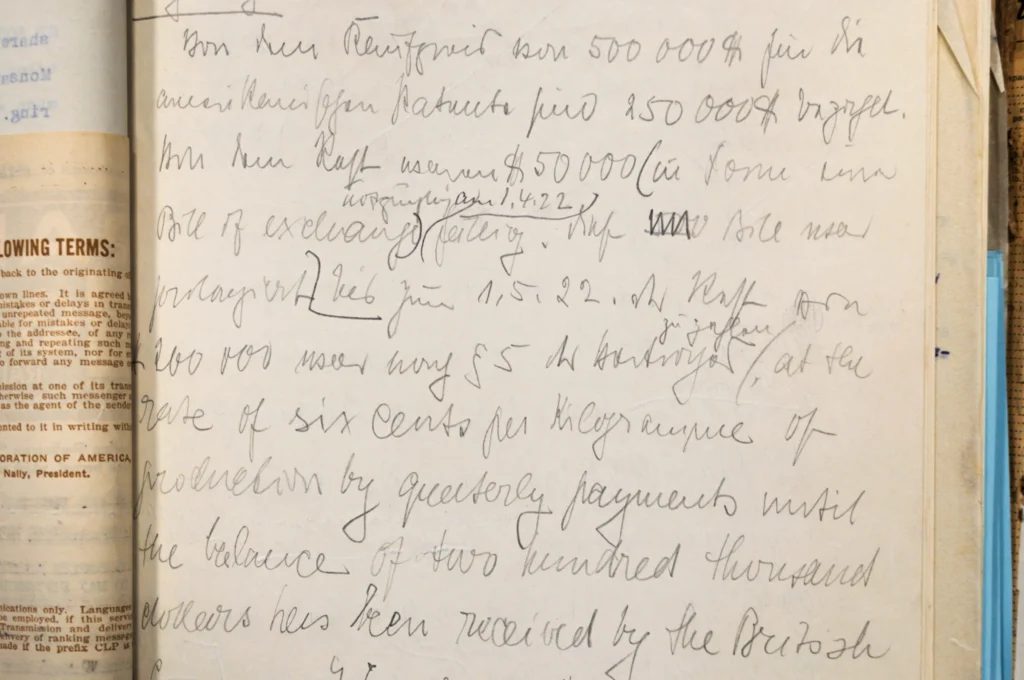
New general publication: ‘Vibe-Coding for Historians: How I Digitized 21.000 Archival Documents Without Coding Skills’

A new article has been published on LinkedIn. Over the past four months, I have been developing a custom document digitization app to process the 21.000 photos of historical letters, contracts and technical reports that I’ve collected while working on CINEAGRI. The app had to be able to: The catch? I don’t know how to

New general publication: ‘Vibe-Coding for Historians: How I Digitized 21.000 Archival Documents Without Coding Skills’ Read Post »

Scroll to Top